Your Employees Are Working Hard. But Is the Way They Work Putting Them at Risk?

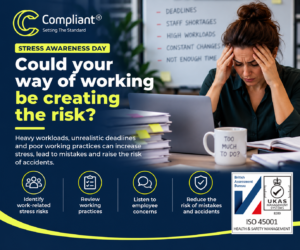 Your Employees Are Working Hard. But Is the Way They Work Putting Them at Risk?
It is another busy Monday morning.
Your team has deadlines to meet, customers to support and jobs that need finishing.
Someone is covering for a colleague who is off sick.
Another employee has been given three urgent tasks, all of which need completing before the end of the day.
A manager is trying to keep customers happy while dealing with staff shortages.
Everyone is busy.
Everyone is doing their best.
But nobody has stopped to ask whether the workload is manageable.
Then something goes wrong.
A mistake is made because someone was rushing.
An important safety check is missed.
An employee becomes so tired that they struggle to concentrate.
Or someone who has been under pressure for weeks finally reaches the point where they cannot cope.
Could the real problem be the way your business organises its work?
When businesses think about health and safety, they often focus on physical dangers.
Slips, trips and falls.
Working at height.
Moving heavy objects.
Using machinery safely.
These are all important.
But there are other risks that may be harder to see.
Heavy workloads, poor communication, unclear responsibilities and constant pressure can also affect employee health and safety.
And when these problems become part of everyday working life, businesses may not recognise the damage they are causing.
This is why Stress Awareness Day is an important opportunity to look beyond the usual health and safety checks.
It is a chance to ask whether your working practices are helping employees do their jobs safely or making their jobs harder than they need to be.
ISO 45001 workplace stress management can help businesses take a more organised approach to understanding and managing these risks.
Because looking after employee health and safety should include both physical and mental wellbeing.
Workplace Stress Is Not Always About Having Too Much Work
It is easy to assume that workplace stress simply means someone has too much to do.
And sometimes that is true.
But the amount of work is only part of the picture.
Two employees may have similar workloads but experience them very differently.
One might have clear instructions, suitable training and a manager who offers support.
The other might be dealing with changing priorities, unclear expectations and constant interruptions.
The work may be similar.
The pressure is not.
Poor planning can create unnecessary pressure
Imagine a business where employees receive their daily tasks each morning.
The team begins work.
Then a manager changes the priorities.
An hour later, another urgent job arrives.
By lunchtime, employees have started several tasks but finished very few.
At the end of the day, they are told that important work is still outstanding.
The employees may feel that they have worked hard without achieving anything.
This can become frustrating.
And if it happens regularly, the pressure can build.
The problem may not be that employees are unwilling or unable to work.
It may be that the business needs a better way to plan and manage tasks.
Unclear responsibilities can cause stress
Employees need to understand what is expected of them.
If responsibilities are unclear, people may worry about making mistakes.
They may complete work that someone else should be doing.
Or important tasks may be missed because everyone assumes another person is responsible.
This can create conflict between employees and departments.
A clearer way of working can reduce confusion and help people feel more confident.
Constant changes can make work harder
Businesses need to adapt.
Customer needs change.
New contracts arrive.
Unexpected problems happen.
But when changes are poorly managed, employees may struggle to keep up.
They may not receive the information or training needed to work safely.
They might be expected to use new equipment without enough preparation.
Or they may be asked to complete tasks in less time than is reasonable.
Good management means considering how changes will affect employees before they are introduced.
The Hidden Cost of Workplace Stress
Workplace stress can affect much more than how someone feels during the working day.
It can influence attendance, performance, safety and the way employees work together.
For businesses, these effects can create real costs.
More mistakes and rework
When people are under pressure, they may find it harder to concentrate.
They might miss important details.
They may forget instructions or rush through tasks.
A small mistake could mean a job needs to be completed again.
In some workplaces, the consequences can be much more serious.
For example, a missed safety check could increase the risk of an accident.
A tired driver may struggle to remain alert.
An employee using machinery could make an error because they are distracted.
Stress does not automatically cause accidents.
But high pressure, tiredness and poor working conditions can increase the chance of something going wrong.
Increased sickness absence
Work-related stress can contribute to employees needing time away from work.
When someone is absent, other employees may have to cover their duties.
That can increase pressure on the remaining team.
If the business does not address the reasons behind the stress, the same problems may continue.
One person’s absence can become another person’s increased workload.
Employees leaving the business
People want to feel safe, supported and valued at work.
If employees regularly feel overwhelmed, they may begin looking for another job.
Losing experienced employees can be expensive.
Businesses may need to recruit replacements, provide training and manage a period of reduced experience within the team.
There is also the loss of knowledge that comes when someone leaves.
Reduced customer service
Employees who are struggling with constant pressure may find it harder to provide the level of service they would like.
They may have less time to answer questions.
Orders could be delayed.
Mistakes may take longer to correct.
Customers may not understand what is happening behind the scenes.
They simply see that the service is not meeting their expectations.
This is one reason why managing workplace stress should be considered part of running a successful business.
Why Stress Awareness Day Matters to Employers
Stress Awareness Day encourages people and organisations to think about stress, recognise its effects and consider ways to manage it.
For employers, it is also an opportunity to review the way work is organised.
It is easy to mark an awareness day by sharing advice about taking breaks, getting enough sleep or speaking to someone when things become difficult.
Those messages can be helpful.
But they do not always address the problems causing stress in the first place.
If employees are being given more work than they can reasonably complete, telling them to take a break will not solve the underlying problem.
If people are worried about raising concerns because they fear being blamed, encouraging them to speak up is not enough.
And if poor planning creates constant emergencies, asking employees to manage their time better may miss the real issue.
Businesses need to look at the conditions employees are working in.
That includes the demands placed on them, the support they receive and whether they have enough control over their work.
Stress Awareness Day should not simply be about helping employees cope with difficult working conditions.
It should also encourage employers to consider whether those conditions need to change.
What Is ISO 45001?
ISO 45001 is an internationally recognised standard for occupational health and safety management.
It helps organisations identify workplace dangers, assess risks and put suitable measures in place to protect people.
The standard can be used by businesses of different sizes and across many sectors.
It is not limited to construction sites, factories or other workplaces with obvious physical dangers.
Offices, professional service firms, technology companies and many other organisations can benefit from a structured approach to health and safety.
Health and safety includes mental wellbeing
ISO 45001 requires organisations to consider risks to workers’ health and safety.
That includes relevant risks linked to how work is organised and managed.
For example, businesses may need to consider whether employees face harmful levels of pressure, poor working relationships or other conditions that could affect their wellbeing.
ISO 45003 provides additional guidance on managing psychological health and safety at work.
It can be used alongside ISO 45001 to help organisations understand and manage risks linked to workplace stress and other pressures.
ISO 45003 is guidance rather than a separate requirement for ISO 45001 certification.
The important point is that businesses should not treat mental wellbeing as something completely separate from health and safety.
Both deserve attention.
How ISO 45001 Helps Businesses Manage Workplace Stress
An effective health and safety management system should help a business understand what could cause harm and take steps to reduce the risks.
When applied to workplace stress, this means looking at how work is planned, managed and carried out.
1. Identify where pressure is coming from
Before making improvements, you need to understand the problem.
Are employees regularly working longer hours than planned?
Do certain departments experience repeated staff shortages?
Are deadlines realistic?
Do employees understand their responsibilities?
Are people being asked to complete tasks without suitable training?
These questions can help businesses identify working practices that may create unnecessary pressure.
It is important to speak to employees.
They are often the people who understand where problems occur.
A manager may believe a process works well.
But the employees using it every day may have a different experience.
Listening to those concerns can provide valuable information.
2. Assess the risks
Once potential problems have been identified, businesses need to consider how serious they are.
For example, a busy period lasting a few days may create different risks from a department that has been understaffed for several months.
You should consider who may be affected, how they could be harmed and what measures are already in place.
The aim is to make informed decisions.
Not every busy day represents an unacceptable risk.
But repeated pressure that is affecting employee health or safety should not be ignored.
3. Put practical improvements in place
Once you understand the causes of workplace stress, you can decide what needs to change.
This might include reviewing workloads, improving communication or making responsibilities clearer.
Some businesses may need to provide additional training.
Others may need to change how work is planned or how employees receive support.
The right action will depend on the problem.
For example, if employees are regularly missing breaks because there are not enough people available, the business may need to review staffing arrangements.
Simply reminding employees to take breaks may not address the cause.
4. Make sure employees can raise concerns
Employees should feel able to report health and safety concerns without fear of being blamed or treated unfairly.
This includes concerns about stress and excessive workloads.
ISO 45001 places importance on worker consultation and participation.
In simple terms, employees should have opportunities to contribute to decisions about health and safety.
Managers need to listen.
Concerns should be taken seriously.
And where action is needed, employees should understand what is being done.
5. Review whether improvements are working
Making a change is only part of the process.
You also need to check whether it has helped.
If workloads have been adjusted, are employees still reporting the same level of pressure?
If communication has improved, are fewer mistakes being made?
If new training has been provided, do employees feel more confident completing their tasks?
Regular reviews help businesses understand what is working and where further action may be needed.
This is an important part of ISO 45001 workplace stress management.
Could Your Workload Be Increasing the Risk of Accidents?
Heavy workloads can affect safety in ways that are not always obvious.
Imagine a warehouse employee who has been asked to complete several urgent orders before the end of a shift.
The employee is tired.
They are worried about missing the deadline.
They begin working faster.
A safety check that normally takes a few minutes is rushed.
The employee may not intend to take a risk.
But the pressure to finish the work has influenced how the task is completed.
Now consider a driver who has been given an unrealistic delivery schedule.
Or a maintenance employee who is repeatedly interrupted while completing important checks.
These situations show why workload and working practices should form part of health and safety discussions.
Rushing can create new dangers
When people feel under pressure, they may take shortcuts.
They might skip a check.
Use equipment incorrectly.
Or fail to notice something that would normally catch their attention.
Not everyone responds to pressure in the same way.
But businesses should consider whether their working practices encourage unsafe behaviour.
Tiredness can affect concentration
Employees who are working long hours or dealing with constant demands may become tired.
Tiredness can affect attention, decision-making and reaction times.
In some roles, that can increase safety risks.
Employers should consider working hours, rest periods and the demands of different tasks when reviewing risks.
Poor communication can lead to mistakes
When teams are busy, important information can be missed.
A change to a task may not be explained.
An employee may begin work without knowing about a new hazard.
Two departments might make different assumptions about who is responsible for a safety check.
Clear communication can help reduce these risks.
Why Your Employees Need to Be Part of the Solution
Managers are responsible for making many important business decisions.
But they cannot always see everything happening across the organisation.
Employees often understand the problems within their own roles better than anyone else.
They know which tasks regularly cause delays.
They understand when instructions are unclear.
And they may recognise when a process creates unnecessary pressure.
This makes their involvement valuable.
Ask questions that encourage useful answers
Rather than simply asking employees whether they are stressed, consider asking more specific questions.
What makes your job harder than it needs to be?
Are there tasks that regularly take longer than expected?
Do you have the equipment and information needed to work safely?
Are deadlines manageable?
What would help you complete your work more effectively?
These questions can lead to practical improvements.
Make sure people feel safe speaking up
Employees may be reluctant to raise concerns if they believe doing so will make them look incapable.
Some may worry about upsetting their manager.
Others may think nothing will change.
Businesses need to create an environment where concerns are welcomed and handled fairly.
This requires more than a written policy.
Managers need to show through their actions that employee feedback matters.
Explain what happens next
When employees raise concerns, they should receive suitable feedback.
If a change is possible, explain what will happen.
If something cannot be changed immediately, explain why and what steps are being considered.
People are more likely to continue sharing useful information when they can see that their concerns are being taken seriously.
Five Working Practices That Could Be Creating Unnecessary Stress
Sometimes the biggest improvements come from looking at everyday habits.
Here are five areas worth reviewing.
1. Unrealistic deadlines
Deadlines help businesses plan and deliver work.
But they need to be achievable.
If employees are regularly expected to complete more work than is possible within the available time, pressure can become constant.
Review how deadlines are set.
Consider whether enough time is allowed for important checks, unexpected problems and safe working.
2. Poor handovers
When work moves between employees or departments, important information needs to move with it.
If details are missed, mistakes and delays can follow.
This may create frustration and extra work.
Clear handovers can help employees understand what has been completed and what still needs attention.
3. Unclear priorities
Employees may struggle when several managers give them different instructions.
Everything feels urgent.
Nothing seems to be the main priority.
This can make planning difficult.
A clear way of setting priorities can reduce confusion and help employees focus on the most important tasks.
4. Lack of training
Being asked to complete work without suitable training can create anxiety.
Employees may worry about making mistakes or causing harm.
Training should reflect the tasks people are expected to carry out.
It should also be reviewed when working practices or equipment change.
5. Not enough support
Employees need to know where to turn when they face a problem.
If managers are unavailable or concerns are regularly ignored, pressure can increase.
Support might involve practical guidance, help with workloads or access to suitable resources.
The aim is to help people complete their work safely and effectively.
Workplace Stress Is a Business Risk, Not Just a Personal Problem
It is important to recognise that employees have different needs and experiences.
Something one person finds manageable may be difficult for another.
Personal circumstances can also affect how people feel at work.
But this does not remove the employer’s responsibility to consider work-related risks.
In Great Britain, employers have legal duties to assess and manage risks to employees’ health and safety, including risks linked to work-related stress.
The Health and Safety Executive identifies six key areas of work design that can affect stress.
These are demands, control, support, relationships, role and change.
In everyday language, that means looking at:
-
How much work people have and the conditions they work in.
-
How much say they have in the way they complete their tasks.
-
Whether they receive suitable help and information.
-
How people treat each other at work.
-
Whether employees understand their responsibilities.
-
How changes are managed and explained.
These areas provide a useful starting point for businesses reviewing workplace stress.
ISO 45001 can help organisations include these risks within their wider health and safety management arrangements.
It should support a consistent approach rather than relying on action only when a problem becomes serious.
The Benefits of an ISO Consultant’s Support
For many businesses, managing health and safety is already a significant responsibility.
Managers need to consider legal duties, employee training, workplace risks and everyday operational demands.
Adding workplace stress and working practices to that list may feel difficult.
You may understand that improvements are needed but struggle to know where to begin.
This is where the benefits of an ISO consultant’s support can become valuable.
Understand the requirements
ISO 45001 contains requirements that may be unfamiliar to businesses approaching certification for the first time.
An experienced consultant can explain what the standard means and how it applies to your organisation.
This can help managers understand their responsibilities without becoming overwhelmed by technical language.
Identify gaps in existing arrangements
Your business may already have useful health and safety processes.
You might carry out risk assessments, provide training and investigate incidents.
But are you considering the effects of workloads and working practices?
An ISO consultant can help review your existing arrangements and identify areas that need attention.
Build a practical management system
A good health and safety management system should suit your business.
It should not involve creating paperwork that nobody uses.
An ISO consultant can help develop clear processes that support everyday work.
This might include reviewing how risks are assessed, how employees raise concerns and how improvements are recorded.
Prepare for certification
If your organisation is working towards ISO 45001 certification, a consultant can help you understand the steps involved.
This may include reviewing your current arrangements, identifying gaps, supporting improvements and preparing for an external audit.
Certification is awarded by the certification body, not the consultant.
But having clear guidance can make the process easier to manage.
Support ongoing improvement
Health and safety risks can change as businesses grow.
New employees join.
Working practices change.
Different equipment may be introduced.
An ISO consultant can provide ongoing support to help your organisation review its arrangements and maintain an effective system.
At Compliant Ltd, we help businesses understand ISO requirements and build practical management systems that support their people and their operations.
Our approach focuses on clear advice and helping businesses manage compliance with confidence.
How to Start Improving Workplace Stress Management
You do not need to wait until Stress Awareness Day to begin reviewing your working practices.
And you do not need to change everything at once.
Start with the areas causing the greatest concern.
Look at what is happening
Review the information available within your business.
Are certain teams regularly working extra hours?
Have employees raised concerns about workloads?
Are mistakes or incidents occurring during particularly busy periods?
Is sickness absence increasing in one department?
These signs do not prove that workplace stress is the cause.
But they may show where further questions are needed.
Speak to your employees
Ask people about the challenges they face.
Listen without making assumptions.
Try to understand whether the problems relate to workload, communication, training, support or other working conditions.
Decide what needs to change
Once you understand the risks, identify practical actions.
Some may be simple.
Others may require more planning or investment.
Make sure someone is responsible for each action and that suitable timescales are agreed.
Check the results
After making improvements, review whether they have worked.
Ask employees for feedback.
Look at relevant information.
If the same problems continue, consider whether further changes are needed.
The aim is to build a working environment where health and safety are considered as part of everyday decisions.
Stress Awareness Day Should Be the Start of a Conversation
Awareness days can help businesses focus on important issues.
They encourage discussion and give people an opportunity to learn.
But workplace stress does not disappear when the awareness day ends.
Employees still have deadlines.
Customers still have expectations.
Managers still need to make difficult decisions.
That is why managing stress needs to be part of everyday business planning.
A single wellbeing event cannot replace sensible workloads.
A poster about mental health cannot solve poor communication.
And encouraging employees to speak up will have limited value if their concerns are ignored.
Businesses need to look at the way work is organised and whether it supports safe, healthy working.
ISO 45001 provides a framework for doing this.
It helps organisations identify risks, involve employees, take suitable action and review whether improvements are working.
The aim is not to remove every challenge from the working day.
Some pressure is unavoidable.
Businesses will always face busy periods and unexpected problems.
But avoidable risks should not be accepted simply because they have become normal.
Could Better Working Practices Improve Business Performance?
Looking after employee wellbeing is important in its own right.
But better working practices can also support business performance.
When employees understand their responsibilities, they may be able to complete tasks more confidently.
When workloads are planned properly, there may be fewer last-minute problems.
When communication improves, mistakes and delays may become less common.
And when employees feel supported, they may be more willing to raise concerns before they become serious.
These improvements can benefit customers as well as employees.
A business with clear processes and a safer working environment may be better placed to deliver consistent service.
It can also spend less time dealing with avoidable problems.
ISO 45001 does not guarantee lower costs or higher profits.
However, it can help organisations manage risks more effectively and make informed decisions about improving their working practices.
That is valuable for businesses of all sizes.
Your Way of Working Should Protect Your People, Not Put Them at Risk
It is easy to become so focused on completing work that nobody questions how it is being done.
A busy team can look productive.
Long hours can be mistaken for commitment.
And employees who rarely complain may appear to be coping well.
But those things do not always tell the full story.
A business needs to understand whether its working practices are safe and sustainable.
Are employees being given realistic workloads?
Do they have the training and support they need?
Can they raise concerns without fear?
Are managers reviewing the effects of changes?
And when something goes wrong, does the business look for the cause rather than simply blaming the person involved?
These questions matter.
Because a workplace can have all the right safety equipment and still expose employees to harm through the way work is organised.
ISO 45001 workplace stress management can help businesses recognise these risks and develop a more consistent approach to managing them.
It encourages organisations to look beyond immediate problems and consider how their systems, decisions and working practices affect people.
The benefits of an ISO consultant’s support can help make this process easier to understand and put into practice.
Speak to Compliant Ltd About Your ISO 45001 Certification Plans
Stress Awareness Day is a reminder that health and safety should include the way employees experience their working day.
If your business is dealing with heavy workloads, repeated mistakes, poor communication or concerns about employee wellbeing, it may be time to review your working practices.
At Compliant Ltd, we help businesses understand ISO 45001 and develop practical occupational health and safety management systems.
Whether you are considering certification for the first time, preparing for an audit or looking to improve an existing system, our team can help you understand what needs to be done.
We can support you in reviewing risks, improving processes and building a management system that works for your business.
Could your way of working be creating unnecessary risks for your employees?
Speak to Compliant Ltd about your certification plans and discover how ISO 45001 could help you create a safer, healthier and better-managed workplace.
Visit compliantltd.com to find out more about our ISO consultancy and certification support.
Supporting businesses through compliance with confidence.