World Food Day: What Can Every Business Learn From Reducing Waste?
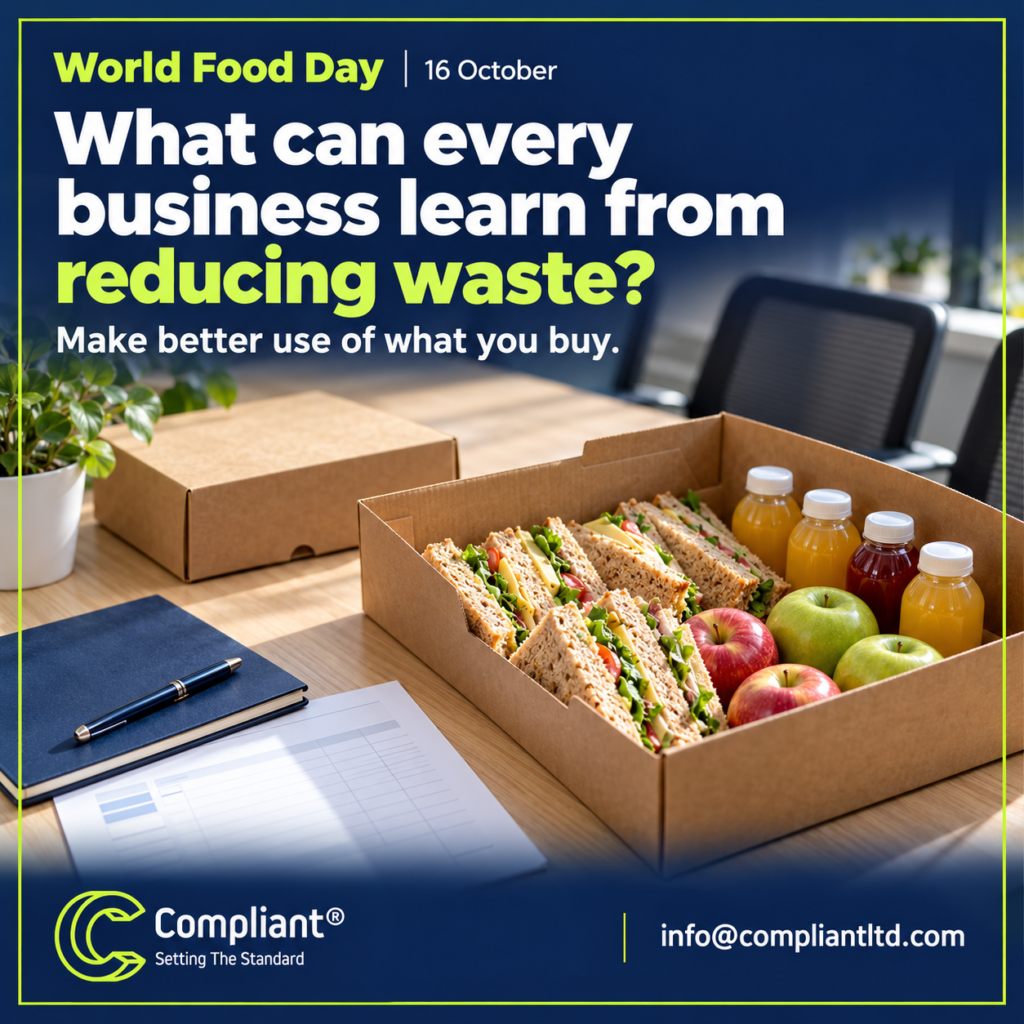
World Food Day: What Can Every Business Learn From Reducing Waste?
The meeting ends, and someone starts clearing away untouched sandwiches. There are unopened drinks on the table and more food in the delivery boxes.
The organiser ordered the usual amount. Several people cancelled, but the order stayed the same.
Nobody set out to waste food. It happened through a series of small decisions that went unchecked.
The food has already been paid for. So has the time spent ordering, delivering and setting it out. The team now needs to decide what can still be used safely and what must be thrown away.
Many businesses will recognise this scene. They may also recognise shelves of unused supplies, piles of old leaflets or damaged goods waiting to be collected.
Each example gives the business useful information about how it works. The loss visible at the end may have started much earlier, when someone bought too much, missed a change or received unclear instructions.
World Food Day gives every business a reason to look more closely.
Marked on 16 October, World Food Day promotes action on hunger and the future of food. The 2026 theme is “Innovate today. Nourish tomorrow.” It encourages better ways of helping people access food while protecting the resources needed for the future.
For businesses, reducing waste offers one practical way to respond. The learning can start with food and extend to other materials used at work.
An office may buy food for meetings and staff events. A contractor may provide food at a training day. A shop may have a staff kitchen, while a larger site may use an outside caterer.
These are all places where people can make better use of what they buy.
The wider lesson is about planning. A business that understands what it needs, checks what it already has and learns from what goes unused can make better decisions.
Food also brings the human purpose of the day into focus. It takes land, water and work to produce it. Making better use of food respects those resources and the people involved in bringing it to us.
FAO, the organisation behind World Food Day, identifies reducing food waste as one of the everyday choices that can support a better food system. It also places food access and protecting natural resources at the centre of the campaign.
A useful first step is to look at what is being lost in your own workplace.
Choose an area you can understand and measure. That might be catering for meetings, stock in a small store, packaging used for deliveries or printed materials bought for events.
Spend enough time looking to see a pattern. One unusual day may tell you very little about what happens most weeks.
For food, record the amount ordered, the number of people served and what remains. Where appropriate, weigh food waste using a suitable, safe process agreed with the people managing it.
Keep different types of loss clear. Unused food that can still be used safely is different from food that has spoiled or leftovers that must be discarded.
For materials, count what is bought, used, damaged and left over. The aim is to understand what happened to the items the business paid for.
Add a short reason when you can. “Meeting cancelled” gives you more to work with than “food left over”. “Stock damaged during unloading” tells you more than “items thrown away”.
WRAP’s food waste work uses the approach Target, Measure, Act. This means setting a goal, measuring the waste and taking action based on what the results show. Its resources give food businesses a way to turn a broad aim into practical work.
The same thinking can help a business choose where to start with other forms of waste. First understand the problem, then choose an action that addresses its cause.
A short record can be enough for an initial review. Include the item, amount, date, place and reason for the loss.
Give the people collecting the information a clear explanation. If the task feels like extra work with no purpose, it may soon be forgotten.
Explain what you hope to learn and when the results will be shared. Keep the process simple enough to fit into the working day.
Once you can see the waste, look at its cost. The collection bill is only part of the picture.
Unused items also have a purchase cost. There may be staff time spent handling them, space used to store them and extra work needed to replace damaged goods.
Take care when putting a figure on those costs. Money spent on materials is different from staff time that could be used elsewhere.
If an improved process saves an hour of work, that can be valuable. It does not always mean the business will pay an hour less in wages.
Keep those benefits clear when reporting them. This helps managers understand whether a change has reduced spending, freed up time or done both.
Consider this made-up lunch example. A business regularly orders 50 lunches at £8 each for an event attended by 35 people.
It reviews attendance records, confirms bookings more carefully and checks dietary needs with the caterer. At a later event with the same number of people, it orders 38 suitable lunches.
| Measure | Earlier event | Later event |
|---|---|---|
| People attending | 35 | 35 |
| Lunches ordered | 50 | 38 |
| Cost per lunch | £8 | £8 |
| Total purchase cost | £400 | £304 |
| Lunches left unused | 15 | 3 |
In this example, the business spends £96 less on lunches. It also has fewer unused meals to manage.
The unused lunches are surplus, and the team still needs to decide whether they can be used safely. Any food actually discarded should be recorded separately.
This distinction matters. A lower order cost shows a purchasing saving. A waste reduction claim needs evidence of what was thrown away before and after the change.
The team should also check that everyone received a suitable meal. Cutting an order too far could leave people without food or lead to another delivery.
The useful change is an order based on better information and the needs of the event.
Similar questions apply to other purchases. A large discount can look attractive, but the full order needs to be useful to the business.
If half the stock sits unused until it becomes unsuitable, the price per item gives an incomplete view of the deal.
Before placing an order, check what is already available, what upcoming work needs and how long the items can be kept.
Ask whether a smaller order, different pack size or changed delivery schedule would work better. Include the time, transport and cost involved in those options.
Keep enough stock to meet the needs of the business. The right amount will depend on how reliable deliveries are and how serious a shortage would be.
For food, this means planning around real demand, safe storage and the period in which it can be used.
For printed leaflets, it may mean checking whether details are likely to change before ordering another large batch.
For site materials, it may mean checking quantities against the work planned and the stock already held.
Bring the people who use the items into these decisions. They often know why certain things are left over.
A catering team may explain that orders arrive before attendance is confirmed. A stores worker may point out that older stock is hard to reach. A site team may receive more material than the latest plan requires.
These conversations can reveal a practical fix that a purchase report alone would miss.
Ask staff to describe what happens without turning the discussion into a search for someone to blame. People are more likely to explain a problem when they know the business wants to improve the process.
Then act on useful suggestions and share the result. If a worker helps identify why waste occurs, let them see what changed.
Storage is another place to look. Items that cannot be found, reached or protected may go unused even when there is demand for them.
Make stock easy to identify. Use clear records and arrange it so that staff can see what is available before buying more.
For food, use the relevant date and storage instructions to decide what should be used first. Newly delivered items should not hide food that needs attention sooner.
For other materials, check their required storage conditions and whether damage occurs in the same place repeatedly.
A small change to shelving, handling or the layout of a store may prevent losses that have become accepted as normal.
Also look at work that has to be done again. A damaged order or a job completed using the wrong information can consume more materials and staff time.
Follow one repeated problem back through the process. Check what information was available, when decisions were made and where the result first went wrong.
A clearer instruction or a check before work begins may prevent the same loss on the next job.
This makes reducing business waste part of running the business well. It gives people a reason to improve the way work is planned and checked.
When waste does arise, prevention should remain the first aim for future work. Government guidance on food and drink surplus puts preventing waste at the top of its list, followed by making suitable surplus available for people to use.
For a business, that means looking at why the extra food was bought or produced, while also managing what is left responsibly.
There may be a safe way to use surplus food. Agree arrangements with the people responsible for catering or food handling before a problem occurs.
A regular link with a suitable redistribution organisation may help where there is enough appropriate surplus. Ask what it can accept, when it can collect and what information it needs.
Food safety remains part of that decision. Use-by dates relate to safety, while best-before dates relate to quality. Food must be stored correctly, and relevant instructions still apply after a pack is opened.
If you are arranging food donations, use current food safety guidance and check the receiving organisation’s needs. Government guidance says donated food must be safe and suitable for people to eat.
Make a plan for the food while there is still time to use it safely. Leaving the decision until an event has ended may make suitable options harder to arrange.
For other items, consider whether useful stock can be moved to another team, repaired or used for another suitable purpose.
A department may have spare supplies that another is about to buy. A clear shared stock list can help people find what is already available.
Check that reused items are still suitable for the task. Keep any necessary checks and instructions in place.
Once an item becomes waste, the business also needs suitable collection arrangements.
In England, workplace recycling rules took effect on 31 March 2025. Businesses with fewer than 10 full-time equivalent employees have until 31 March 2027. The guidance requires separate food waste, dry recycling and non-recyclable waste before collection. The employee total is counted across the business.
The food waste requirement applies even where an English workplace does not serve food or have a kitchen, subject to the current timing rules. Small amounts, such as staff lunch leftovers, are included.
Check the requirements where your business operates and agree arrangements with your waste collector or the person managing the premises.
Give staff clear instructions about the bins they should use. Keep labels easy to read and place bins where the relevant waste is produced.
Ask the collector what is accepted. Packaging that looks similar may need to go into different collections, so clear information can help people make the right choice.
The review should also include suppliers. They may be able to help you prevent the loss before goods reach your workplace.
Explain the issue with useful facts. For example, tell a caterer how many meals have regularly been left over or show a supplier where packaging is being damaged.
Ask about order sizes, delivery timing and other options that fit your needs. A supplier may have a practical suggestion you have not considered.
Consider the full effect of a proposed change. More frequent deliveries might reduce unused stock but add cost or transport. Less packaging might save material but leave products more exposed to damage.
Test the change before applying it across the business. Check whether it reduces the original problem and whether it creates another one.
Choose a clear goal for the first area you want to improve. “Waste less” expresses a good intention, but people need to know what result they are working towards.
A goal might be to reduce unused meeting lunches over the next three months while continuing to provide enough suitable food for everyone.
Record the starting position, the action planned and how the result will be checked. Name the person who will follow it through.
They need enough time and support to carry out that role. The manager who approves orders may need to help, as may the people booking meetings or arranging storage.
Review progress at an agreed date. If the action has not happened, find out what prevented it. If it has happened without improving the result, look again at the cause of the waste.
Compare results fairly. A quieter month may produce less waste simply because less work took place.
For meeting food, record attendance as well as surplus and discarded food. For damaged products, look at the number of orders handled alongside the number damaged.
Keep the total amount visible too. A business may waste less per order while still producing more waste overall because it is handling more orders.
Both figures can help people understand what is happening. Explain what the results show and what further work is needed.
Check the quality of the service alongside the waste figures. People still need suitable meals, products need protection and staff need the resources to do their jobs.
For staff food, dietary needs and access deserve attention. Buying less should follow better knowledge of demand and a suitable plan for serving people.
For materials, involve the person responsible for the quality and safety of the work before changing what is supplied.
Make it easy to report concerns during the trial. A worker who explains that a new pack size is unsuitable may help you avoid a larger problem.
Managers can support the work by reviewing the results and asking what the team has learned. Thank people for useful information, including information that shows a trial did not work as hoped.
A failed trial can still teach you something. Use the evidence to improve the next decision.
Build helpful changes into normal work. Add a stock check before an order is placed, an attendance review before catering is confirmed or a clear route for reporting damaged goods.
Keep instructions short and give new staff the information they need. Review the process when suppliers, work patterns or premises change.
ISO 14001 can help a business organise its work on environmental impact. It provides a structure that includes resource use, waste management and checking environmental results, so useful actions can become part of a wider plan.
Where outside support is useful, choose someone who understands the business and the area being reviewed. They should help you identify evidence, agree practical actions and make the process easier for your team to manage.
Your team’s knowledge remains valuable. People who order, store, use and clear away items can explain details that an outside reviewer may otherwise miss.
Keep any public message about progress specific. Say what changed, what you measured and the period the result covers.
If a trial reduced unused meeting lunches, describe that result. A claim about waste across the whole business needs evidence covering the whole business.
World Food Day can be the starting point for a simple month of learning.
During the first week, choose one area and agree how you will record the losses. In the second, review the information with the people involved and identify a likely cause.
Use the third week to trial one suitable change. In the fourth, check the result and decide whether to keep, adjust or extend it.
Continue collecting evidence if a month is too short to give a fair picture. The timing should fit the activity being reviewed.
You could begin with the food ordered for your next meeting. Confirm who will attend, check what they need and agree how any safe surplus will be managed.
Or begin with one store cupboard. Find out what is sitting unused, why it was bought and whether the next order is still needed.
Share one useful lesson with the team and build it into the next decision.
World Food Day asks us to think about food, people and the resources on which we depend. Every business makes choices about those resources.
Understanding where waste starts gives a business a chance to change those choices. Better planning, clear information and regular checks help teams use what they buy with greater care.