Skip to main content
Skip to footer
Skip to main content
Skip to footer

Achieving Operational Excellence In SMEs: A Global Guide To Continuous Improvement
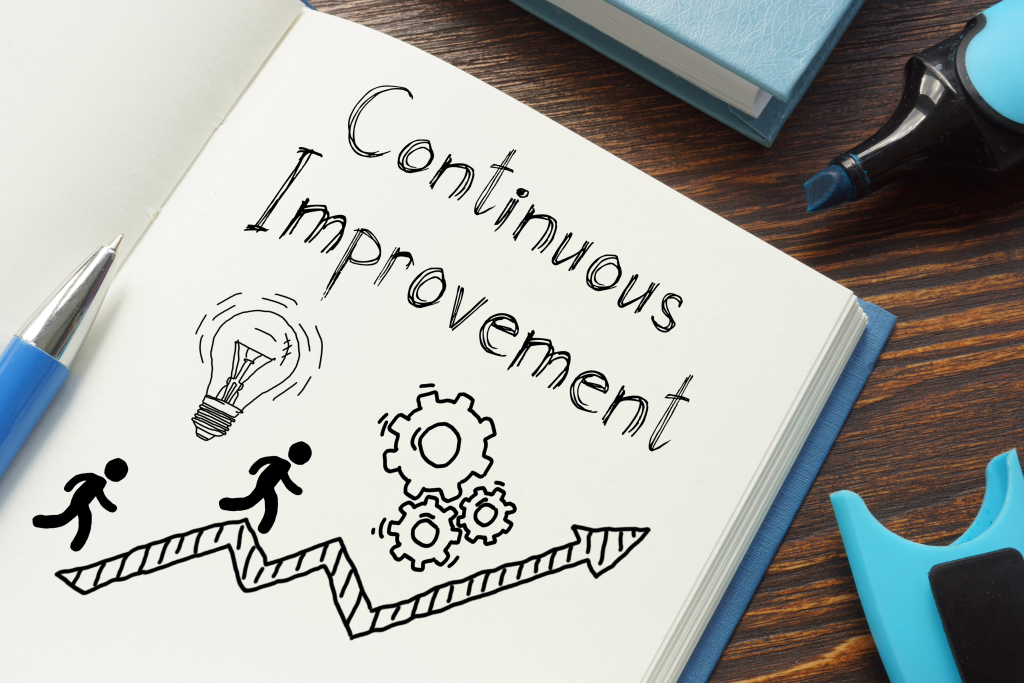
Small and medium-sized enterprises (SMEs) often operate with limited resources, yet they face high expectations for quality, safety, and efficiency in a competitive global market. Achieving operational excellence the pursuit of continuous improvement, streamlined processes, and outstanding performance is crucial for SME survival and growth. This blog provides a practical roadmap for business leaders and operational managers in manufacturing, tech, and service industries to improve processes, reduce waste, boost quality, and drive continuous improvement. We’ll explore proven strategies and frameworks (like Lean thinking and PDCA cycles), and show how adopting international standards such as ISO 9001 (Quality), ISO 14001 (Environmental), ISO 45001 (Health & Safety), ISO 27001 (Information Security), and ISO 22301 (Business Continuity) can embed a culture of excellence. These ISO management system standards are flexible and apply to organisations of any size or sector, enabling a tech startup, a manufacturing firm, or a service provider alike to reap the benefits of world-class practices By implementing these frameworks with strong leadership and an inclusive approach, even a small company can build efficient, resilient operations that scale globally as it grows.
Why Operational Excellence Matters for SMEs Globally
In today’s interconnected economy, operational excellence is about more than internal efficiency it’s about staying competitive and resilient on a global stage. An SME that consistently delivers high-quality products or services with minimal waste will enjoy higher customer satisfaction and loyalty, lower costs, and a stronger reputation. This translates into repeat business and opportunities to expand into new markets. Conversely, inefficient processes or poor quality can derail an SME’s growth, especially when competing against larger firms or agile startups.
Importantly, excellence is a universal language in business. International standards and best practices allow SMEs in both mature and emerging markets to signal credibility and reliability. For example, ISO-certified SMEs gain a competitive edge by meeting global benchmarks, which assures clients and partners of their quality and consistency. Many large customers and government tenders now require ISO certification as a prerequisite, so having these certifications can open doors to lucrative contracts that uncertified competitors may be barred from. In one UK case, a micro business seeking bigger clients found that implementing ISO 9001 was essential larger customers demanded audited proof of quality processes. Achieving the certification put the firm “at the cutting edge” on quality and helped maintain strong client relationships, business confidence, and profit.
Global relevance cuts both ways: In advanced economies, operational excellence helps SMEs meet stringent customer expectations and offset higher labor or compliance costs through efficiency. In emerging markets, adopting world-class processes can rapidly elevate an SME’s performance and reputation. In fact, SMEs in developing economies like Bangladesh have transformed into export-ready businesses through ISO standards certified companies often see 20–30% revenue growth within two years post-certification thanks to improved efficiency and new client acquisitions. The message is clear: wherever your SME is based, a commitment to operational excellence is increasingly a baseline for survival and a springboard for growth.
Core Principles of Process Improvement and Continuous Improvement
Before diving into specific frameworks and standards, it’s important to understand the core principles that underpin operational excellence. At the heart of it are continuous improvement, customer focus, and efficient processes. Several well-known approaches provide practical strategies to achieve these goals:
-
Lean Thinking: Lean is a systematic method for eliminating waste and optimizing processes. It focuses on delivering more value to the customer with fewer resources by identifying and removing non-value-added activities. Lean principles target classic forms of waste like overproduction, waiting time, defects, excess inventory, unnecessary motion, and overprocessing. By streamlining workflows and only doing what adds value, SMEs can achieve higher output with the same (or fewer) resources. The goal of Lean is to create smooth process flow that responds to customer demand with minimal waste. It emphasizes continuous improvement and often empowers employees at all levels to identify inefficiencies and suggest solutions. A small manufacturer, for instance, might apply Lean tools such as 5S (workplace organisation), Kaizen (ongoing small improvements), or value stream mapping to cut out wasted steps and reduce production time.
-
Six Sigma: Where Lean focuses on speed and waste elimination, Six Sigma focuses on quality and consistency by reducing process variation. Six Sigma uses data-driven methodology (DMAIC: Define, Measure, Analyze, Improve, Control) to find the root causes of defects or errors and eliminate them. For an SME, adopting Six Sigma techniques can lead to a drastic reduction in error rates whether in manufacturing tolerances or service delivery mistakes thereby improving customer satisfaction. Many organisations blend Lean and Six Sigma (“Lean Six Sigma”) to get the best of both: efficient processes that are also highly reliable. For example, a tech startup might use Lean to streamline its software deployment pipeline, and Six Sigma to improve the quality of code by reducing bugs in each release. The end result is faster delivery and better quality.
-
Total Quality Management (TQM) and PDCA: TQM is a philosophy that every aspect of operations should be done right the first time, and that quality is everyone’s job. It aligns closely with ISO 9001’s quality management principles, which we’ll discuss shortly. A key element in TQM and all ISO management systems is the Plan-Do-Check-Act (PDCA) cycle. This iterative cycle encourages businesses to Plan improvements or set standards, Do by implementing changes, Check by monitoring results, and Act by taking corrective action and making further improvements. Embracing PDCA turns continuous improvement into a routine part of operations. For instance, an SME might plan a new process for handling customer inquiries, implement it, measure response times and customer feedback, then refine the process based on what was learned. Over time, this cycle drives ever-higher levels of efficiency and service quality.
These frameworks are not mutually exclusive in fact, they complement each other. Lean and Six Sigma provide tools and techniques to improve processes, while PDCA provides a simple discipline to keep improving on an ongoing basis. The common thread is building a culture of continuous improvement, where employees are encouraged to ask “how can we do this better?” and data is used to guide decision-making. As one expert notes, embracing a culture of continual improvement enables small businesses to adapt to changing market dynamics and stay ahead of the competition. In the next sections, we’ll see how international standards incorporate these very principles and offer a blueprint to embed them in your SME’s DNA.
ISO 9001: Quality Management as a Foundation for Excellence
Quality management is the bedrock of operational excellence. ISO 9001 the globally recognised standard for Quality Management Systems (QMS) provides a framework for consistently meeting customer requirements and improving processes. At its core, ISO 9001 requires organisations to take a process-oriented approach to running the business: define your key processes, set objectives and metrics, monitor performance, and continually improve. This structured approach forces even small companies to systematically examine how work gets done, rather than relying on ad-hoc routines or tribal knowledge. By adopting ISO 9001, an SME will identify inefficiencies, reduce errors and waste, and institute a cycle of ongoing improvement in pursuit of higher quality.
The benefits of ISO 9001 for SMEs are tangible. Streamlining processes and preventing mistakes not only boosts quality but also has direct financial payoffs – fewer defects and rework mean lower costs and faster delivery. In fact, many small businesses find that standardizing their operations under ISO 9001 directly improves the bottom line by eliminating costly rework and improving productivity. ISO itself notes that ISO 9001 drives “process improvement” leading to cost savings and better outcomes through regular internal audits and reviews. Over time, the discipline of the QMS embeds a problem-solving mindset in the organisation, where people are always looking for ways to do things better.
Real-world examples illustrate the impact. One heating equipment manufacturer (an SME in Canada) credited ISO 9001 with enabling dramatic gains in efficiency after they overhauled their processes. “We have taken 75% of labour time out of production and assembly, yet we produce five times as much,” the company reported, noting that ISO 9001 was the perfect tool for managing that degree of scalable growth in their supply chain. In other words, the standard helped them do more with less by driving out waste and optimising how work was organised. Customer satisfaction also improved alongside efficiency, since quality became more consistent. By building a reputation for reliable quality and on-time performance, a small company can effectively punch above its weight in the market.
Another benefit of ISO 9001 is the external credibility it confers. Earning certification signals to potential clients, partners, and regulators that your SME takes quality seriously and has processes in place to back it up. This can be a game-changer when trying to win contracts against larger competitors. As noted earlier, many big companies or government agencies prefer to deal with ISO-certified suppliers. The certification serves as an independent assurance of competence. A UK fire safety SME found that being ISO 9001-certified was essential to gain new large clients who required proof of quality standards; the decision to get certified “keeps us at the cutting edge… which in turn maintains good customer relations, business confidence, output and profit. In summary, ISO 9001 gives SMEs a framework to build quality into every facet of operations from design and procurement to production and customer service resulting in greater efficiency, satisfied customers, and a powerful competitive edge.
ISO 14001: Sustainable and Efficient Operations (Environmental Management)
Operational excellence today goes hand-in-hand with sustainability and responsible resource management. ISO 14001, the standard for Environmental Management Systems (EMS), helps organizations systematically reduce their environmental footprint while also improving operational efficiency. This standard is built on the idea that better environmental performance – such as reducing waste, pollution, and resource consumption can go together with improved business performance. For SMEs, implementing ISO 14001 provides a structured approach to regulatory compliance and to managing environmental aspects of operations (energy use, waste disposal, emissions, etc.). By following ISO 14001’s framework, a company identifies its significant environmental impacts, sets objectives to reduce them, and establishes processes to control and improve them. The result is often smarter use of resources (for example, cutting energy usage or material waste) and avoidance of environmental incidents that could disrupt operations or incur penalties.
The practical benefits of ISO 14001 can be substantial. Many sustainability efforts double as efficiency improvements. For instance, if an SME optimizes its packaging to use less material or redesigns a process to generate less scrap waste, it not only helps the planet but also lowers the cost of materials and waste disposal. ISO highlights that adopting ISO 14001 yields tangible benefits such as streamlined operations and waste minimization, contributing to enhanced productivity and overall operational excellence. Simply put, “green” initiatives often remove process inefficiencies. One small business might discover, through ISO 14001’s requirement to monitor resource use, that it can rearrange its factory layout to reduce electricity consumption and improve workflow lighting at once. Another might engage employees in identifying sources of waste (perhaps through a Kaizen team focused on energy savings), resulting in new ideas that save money. These improvements go straight to the bottom line: lower utility bills, fewer raw materials purchased, and less money spent on managing waste.
ISO 14001 also helps reduce risk and downtime related to environmental factors. With an EMS, SMEs put in place emergency plans and controls to prevent or respond to incidents (like chemical spills, air emissions exceedances, etc.). This preparedness means fewer surprises. Companies report that after implementing ISO 14001 they have reduced the frequency of environmental incidents and are able to handle any events more systematically. Fewer incidents translate to less operational downtime and disruption for example, if you’ve already identified and mitigated a pollution risk, you’re less likely to have to halt production due to a spill. In turn, this can also lower insurance premiums, as insurers recognise that certified businesses have fewer costly claims. There’s a compliance benefit as well: ISO 14001 improves the ability to respond to regulatory requirements, and organisations often find they build a better relationship with environmental regulators by being proactive.
Equally important for many SMEs is the reputational boost. Certification to ISO 14001 signals to customers, investors, and the community that your company is committed to environmental responsibility. In an era where consumers and B2B clients increasingly value sustainability, this can be a differentiator. An SME that can showcase its ISO 14001 certification may attract business from environmentally conscious customers or become a preferred supplier for multinationals with green supply chain mandates. It also appeals to the workforce studies and anecdotal reports suggest that a recognised commitment to sustainability helps attract talent (people want to work for responsible companies). Thus, ISO 14001 helps turn sustainability into a driver of efficiency and a source of competitive advantage. Whether you run a manufacturing plant, a tech firm operating energy-hungry data centers, or even a service business with office operations, the principles of ISO 14001 apply: using resources wisely, reducing waste, and continuously improving environmental performance. In doing so, you not only ensure compliance and reduce risk, but you also unlock cost savings and project an image of operational excellence that resonates globally.
ISO 45001: Ensuring a Safe and Productive Workplace (Occupational Health & Safety)
A safe workplace is a more productive and efficient workplace. This is the premise behind ISO 45001, the international standard for Occupational Health and Safety Management Systems (OHSMS). For SMEs in manufacturing, construction, services or any industry, ensuring employee health and safety isn’t just about compliance it’s about preventing disruptions, improving morale, and protecting your most important asset: your people. Implementing ISO 45001 provides a structured approach to identify workplace hazards, assess risks, and put effective controls and preventive measures in place. By systematically managing safety, SMEs can significantly reduce the likelihood of accidents, injuries, and work-related ill health. The benefits are twofold: ethical and operational. Ethically, it’s the right thing to do every employee deserves to go home safe. Operationally, fewer incidents mean less downtime, less absenteeism, and less cost associated with accidents (medical bills, legal fees, equipment damage, etc.).
Consider the impact of a single accident on a small business: it can halt production, lead to a regulatory investigation, damage employee morale, and even tarnish the company’s reputation. ISO 45001 helps avoid these scenarios by pushing organizations to be proactive. The standard requires companies to engage workers in spotting hazards, to investigate near-misses, and to continually improve safety processes. As a result, organizations experience a reduced risk of work-related injuries and illness and greater overall protection for anyone working with the firm. One outcome is improved operational continuity with fewer people getting hurt or sick, there are fewer interruptions. Production lines don’t stall due to safety shutdowns, and projects aren’t delayed by accident investigations. Over time, safety performance and operational performance go hand in hand.
Moreover, a commitment to health and safety can boost employee morale and productivity. When staff see that management genuinely cares for their well-being, they are more engaged and motivated. A positive safety culture often correlates with better communication and teamwork on the shop floor or in the office. For example, implementing ISO 45001 might involve regular safety toolbox talks, where workers discuss not only safety issues but also any operational concerns. This open dialogue can surface improvement ideas beyond safety. Employees become more vigilant and conscientious in all aspects of their work. As one study noted, companies often see a more positive company culture and improved reputation after adopting ISO 45001.
From a market perspective, ISO 45001 certification enhances credibility. Just as with quality and environment, larger clients and supply chains increasingly expect their partners to have robust safety systems. In industries like construction, engineering, or manufacturing, an SME with ISO 45001 may have an edge in winning contracts because it demonstrates adherence to international best practices for safety. Some multinational corporations even mandate OHSMS certification for their suppliers to reduce the risk of supply chain disruptions or liability. Thus, by investing in safety excellence, SMEs not only avoid the heavy costs of accidents but also position themselves as reliable, high-quality partners. In summary, ISO 45001 helps an SME create a virtuous cycle: safe operations lead to efficient, uninterrupted production and a motivated workforce, which in turn drives better output and business results all critical ingredients of operational excellence.
ISO/IEC 27001: Securing Information as an Operational Strength
In the digital age, information is the lifeblood of many businesses and protecting that information is now a core aspect of operational excellence. ISO/IEC 27001 is the leading international standard for Information Security Management Systems (ISMS). While often associated with tech firms, ISO 27001 is applicable to any organisation that handles sensitive data (which is virtually every business, from a manufacturing company protecting design specs to a service provider handling customer personal data). For SMEs, adopting ISO 27001 might seem daunting, but it is both achievable and highly beneficial. The standard provides a holistic framework to identify and manage cybersecurity risks, ensuring that security measures are not ad-hoc but woven into daily operations. This includes policies and controls covering people (e.g. training employees on phishing risks), processes (e.g. backup routines, access control procedures), and technology (e.g. firewalls, encryption).
By implementing ISO 27001, an SME becomes much more risk-aware and resilient against cyber threats. Instead of waiting for a hacking incident or data breach to occur, the company proactively finds and fixes security weaknesses. For example, the ISO 27001 process will prompt an SME to consider scenarios like “What if our customer database was stolen?” or “How do we continue operations if our server goes down?” similar in spirit to business continuity planning. Controls are then put in place to mitigate those risks, such as improved network security or cloud backups for quick recovery. The payoff is reduced likelihood of costly breaches, data losses, or IT downtime. Remember that even one serious cyber incident can be crippling to a small business (through loss of customer trust, possible fines, and the direct disruption caused). ISO 27001 emphasizes ensuring the confidentiality, integrity, and availability of critical information, which directly supports reliable operations. When your data and systems are secure and dependable, your business can operate without surprises.
Adopting ISO 27001 can also lead to side benefits in efficiency and organisation. For instance, one analysis noted that strengthening information security through ISO 27001 often makes it easier to find and manage documents, because you establish clear processes for how information is handled and stored. Instead of each employee storing files haphazardly, the company might implement a structured document management system (as part of ISMS controls for data availability), which encourages everyone to work more productively. In this way, good security practices can streamline operations an example of how pursuing excellence in one area (security) can have positive ripple effects on overall performance.
From a market standpoint, ISO 27001 builds trust with clients and partners. Data breaches and cyberattacks are not just IT problems; they’re business problems that can erode customer confidence overnight. Over half of consumers prefer to engage with companies that actively protect data, and a significant number will stop doing business with companies after a breach. Businesses know this, and many will only partner with vendors who can demonstrate strong information security. By achieving ISO 27001 certification, an SME sends a powerful message: your data is safe with us. It signals that the company follows internationally vetted best practices for security. This can be a decisive factor in winning contracts, especially in sectors like finance, healthcare, or technology services where data protection is paramount. In fact, ISO 27001-certified SMEs often find it becomes a differentiator that wins new business, whether you’re an IT startup seeking enterprise clients or a manufacturer wanting to assure a customer that their intellectual property (design files, etc.) is secure. As one industry publication put it, ISO 27001 equips SMEs to operate securely and confidently, turning good security practices into an operational strength. In summary, information security is no longer optional it’s a pillar of operational excellence. By treating data protection as a strategic priority through ISO 27001, SMEs can reduce risk, improve efficiency, and enhance their reputation in the global marketplace.
ISO 22301: Building Resilience with Business Continuity Management
If quality, safety, and security are about doing things right under normal conditions, business continuity is about keeping things going when conditions are not normal. The true test of operational excellence is how a business performs under stress or unexpected disruptions. ISO 22301, the Business Continuity Management System (BCMS) standard, prepares SMEs to withstand and recover from disruptions be it a natural disaster, supply chain failure, cyber-attack, or even a pandemic. For a smaller company with limited buffers, having a solid continuity plan can literally make the difference between survival and failure in a crisis. ISO 22301 provides a framework to identify critical business functions and potential threats, develop response and recovery plans, and keep those plans updated through drills and periodic reviews. In essence, it forces you to answer the question: “What would we do if X happens?” and to have a playbook ready.
Consider the risks: studies show that 90% of companies have encountered supply chain disruptions in recent years, and a large fraction have also faced cyber incidents. When these events hit, unprepared businesses can suffer major losses or even collapse. Unpreparedness is expensive downtime means lost sales, unhappy customers, and emergency costs to scramble back online. ISO 22301 tackles this by guiding SMEs through a business impact analysis to pinpoint which operations are mission-critical and what the tolerable downtime is for each. You then develop strategies to keep those critical pieces running or to restore them quickly if they fail. For example, if your online order system goes down, the plan might be to switch to a backup system or even manual order-taking after X hours. If a key supplier goes bankrupt, the plan might outline alternate suppliers or stockpiles to draw on. These preparations ensure that when disruption strikes, your team can respond rapidly and effectively, rather than panicking. As ISO 22301 implementers often find, having clear, tested plans means your people can make faster, better decisions under pressure, minimizing confusion and mistakes in a crisis.
The operational excellence tie-in is that a company adept at business continuity will have less downtime and fewer financial losses when something goes wrong. It’s about building resilience. By adopting ISO 22301, an SME cultivates resilience: the standard “enhances organisational resilience” and “ensures a systematic response to crises”, while also boosting stakeholder confidence that the business can handle the unexpected. In practical terms, this might mean a manufacturer can restore production within hours of a power outage because it prepared backup generators, or a tech firm can switch its services to a secondary data center if the primary one fails, thereby meeting customer SLAs even during an incident. The investment in continuity planning pays off through minimized downtime, protected revenue, and preservation of customer trust during hardships.
The market also rewards resilience. Clients and partners prefer to deal with businesses that they know won’t leave them in the lurch. If you can demonstrate (even informally) that “we have a plan for X scenario”, it builds trust. In fact, ISO 22301 certification can become a marketing point – evidence to customers that you are reliable even in a crisis. One SME in Singapore (a food manufacturer) implemented an ISO 22301-based continuity system and noted that achieving ISO 22301 “will enhance our credibility as a preferred supplier and give customers peace of mind” when doing business with us. That peace of mind is a critical asset; it can tip the scales in competitive bids or customer retention. Some insurers even offer lower premiums to companies with robust continuity plans, recognising they’re less likely to suffer catastrophic losses. Ultimately, ISO 22301 helps SMEs not only bounce back from crises but also maintain day-to-day excellence by instilling a mindset of preparedness and adaptability. It ensures that operational excellence isn’t just for the good times, but also the hard times a hallmark of a truly world-class organization.
Strategies and Steps for Implementing Operational Excellence in Your SME
Adopting these frameworks and standards may sound complex, but SMEs around the world have done it by taking a smart, step-by-step approach. Below are practical strategies to help your organisation improve its operations and achieve excellence without getting overwhelmed. These steps combine general continuous improvement practices with specific actions to implement ISO standards as a vehicle for excellence:
-
Secure Leadership Commitment: Operational excellence starts at the top. Ensure that the owner and top managers are fully on board and actively champion the initiative. Leadership should set clear goals (e.g. “reduce defect rate by 20%” or “achieve ISO 9001 certification in 12 months”) and communicate the why behind them such as improving customer satisfaction or unlocking new market opportunities. Leaders also need to allocate resources (time, budget, training) and empower teams to make changes. A culture that values quality, safety, and continual improvement flows from leadership behavior. When employees see management prioritizing these efforts (for example, managers participating in improvement workshops or safety walks), it sends the message that excellence is truly a priority, not just a slogan.
-
Assess Current State and Identify Gaps: Before making changes, take stock of where you are. This often means conducting a gap analysis against whichever standard or best practice you’re pursuing. For ISO standards, obtain a copy of the standard and compare its requirements to your current processes. Identify areas where you already comply and areas that need work. For a Lean or process improvement initiative, you might map out your value stream to see where delays or waste are occurring. This analysis helps pinpoint “low-hanging fruit” and critical weaknesses. Based on it, create a clear improvement plan or roadmap. Set realistic, prioritised milestones. For example, you might decide: in Month 1 we will document our key procedures and address any obvious quality control gaps (ISO 9001 focus); in Month 2 we train staff on the new procedures; in Month 3 we conduct an internal audit to check effectiveness, and so on. Breaking the journey into manageable steps ensures you tackle the most important issues first and can celebrate progress along the way, rather than getting lost in perfectionism.
-
Leverage and Improve Existing Processes: One misconception is that adopting standards means completely reinventing how you work. In reality, you should build on what you already do well. ISO management system standards are designed to be flexible and scalable to your business you do not need to create tons of new bureaucracy. Start by documenting and formalizing your current processes, especially those that are working effectively. For instance, if you already have a method for handling customer complaints or maintaining equipment, incorporate that into your quality or safety system documentation. The key is to fill the gaps identified earlier, not to scrap everything. Standardisation might simply mean writing down the procedure and training everyone to follow it consistently. Where you find inefficiencies in existing processes, improve them in line with best practices (this is where Lean/Six Sigma tools can help). By focusing on fitting the system to your business, you keep it practical. Many SMEs find creative ways to meet ISO requirements with minimal overhead for example, using simple Excel sheets or cloud apps to record data rather than investing in expensive software. The rule of thumb: integrate the standards into your current workflow, don’t isolate them as separate “compliance tasks.” This will make excellence initiatives more organic and sustainable.
-
Train and Engage Employees: Remember that operational excellence is a team effort. Even the best process design or manual is useless if people aren’t onboard. Take the time to educate and involve your staff at all levels. Explain the goals (reducing waste, improving quality, ensuring safety, etc.) and the benefits to them and the company. For example, when implementing ISO 9001, train employees on any new quality checkpoints or their responsibilities in reporting issues. For ISO 45001, you might run safety workshops and drills so that everyone knows how to work safely and respond to incidents. Provide easy-to-follow work instructions or checklists where helpful overly complex documentation can discourage use. Employee engagement is crucial: encourage feedback and suggestions from the people who actually do the work day-to-day. Often, front-line staff have insights into problems and creative solutions that managers might overlook. You could form a small “continuous improvement team” or hold brief monthly meetings where employees can raise improvement ideas or discuss how new procedures are working. Recognise and reward involvement even a simple shout-out to a team that implemented a successful change can boost morale. When employees feel ownership of the process, they are far more likely to embrace new ways of working. Conversely, if changes are forced without consultation, expect resistance. Thus, make it inclusive: train, listen, and empower.
-
Implement Continuous Improvement (PDCA) and Integration: Achieving operational excellence is not a one-time project but an ongoing journey. To sustain improvements, embed the Plan-Do-Check-Act cycle in your operations. This means after you implement changes (Do), you should regularly Check how they’re performing for example, through internal audits, process measures, or employee/customer feedback. If something is not working as intended or an incident occurs, analyze it as a learning opportunity rather than assigning blame. Then Act by making adjustments or additional improvements. Set up a routine (perhaps quarterly management reviews) to evaluate progress on your operational excellence goals and ISO objectives. Continuous improvement also involves staying alert to changes in your environment new customer requirements, new regulations, emerging technologies – and adapting accordingly. Over time, consider integrating multiple standards or initiatives for efficiency. Many SMEs start with one focal area (say quality), then gradually incorporate others (environment, safety, etc.) into a single integrated management system. The ISO standards are designed to be compatible (they share similar structures and processes), making it feasible to align quality, environmental, and safety management under common policies and procedures. Integration avoids duplicate effort for instance, you might combine quality and safety audits into one, or have a single dashboard of KPIs that covers all dimensions of performance. The end goal is a unified system where excellence is “how we do business” in every aspect. By maintaining this mindset and regularly refreshing your practices, your SME stays agile and continuously improving, rather than slipping back into old habits.
Following these steps, many SMEs have successfully navigated the path to certification and beyond. A study by BSI found that 35% of organisations experienced productivity improvements after implementing standards, showing that the effort yields real operational gains. The clear structure of ISO frameworks, combined with the adaptive, waste-cutting mentality of Lean and the defect-busting rigor of Six Sigma, gives SMEs a powerful toolkit. It helps to remember that operational excellence is a journey, not a destination. Celebrate milestones (like passing an ISO audit or hitting a waste reduction target) but continue to refine and improve. By cultivating this mentality, you’ll also find that excellence begets excellence as processes stabilize and improve, your team can shift from “fire-fighting” mode to proactive innovation, continually raising the bar. Excellence as a Continuous Journey and Competitive Advantage
Operational excellence is within reach for SMEs that embrace the right frameworks and mindset. By leveraging international standards like ISO 9001, 14001, 45001, 27001, and 22301, you gain more than just certificates on the wall – you gain a practical toolkit for running a smarter, safer, more resilient business. The benefits are compelling: higher efficiency and quality, lower risks and costs, improved customer satisfaction, and greater agility to handle whatever challenges come your way. These outcomes directly contribute to an SME’s competitive edge in any industry. Even a small company can build world-class processes that scale as it grows, by adopting these best practices with strong leadership commitment and an inclusive approach.
Perhaps the most valuable outcome of all is the culture of excellence that develops. In an ISO-savvy organization, every employee understands the value of doing things right and continually finding ways to improve. People take pride in their work and share a common language for problem-solving (whether it’s using root cause analysis for a quality issue or a safety observation program to prevent accidents). That culture supported by proven international standards and continuous improvement habits is ultimately what drives sustainable operational excellence. It turns daily operations into a strategic advantage.
In the global business arena, SMEs that operate with such disciplined excellence can “punch above their weight,” winning customer trust and accessing new opportunities that less reliable competitors cannot. They are better equipped to handle growth as well as adversity, from scaling production to weathering supply chain shocks. The journey is not always easy, but the experience of countless SMEs shows that it is worth the effort. By investing in quality, efficiency, safety, security, and resilience, you are in fact investing in the long-term success and reputation of your business. As evidence, recall that SMEs who implement these practices often see measurable improvements not only internally (productivity, waste reduction) but also externally in market growth.
In conclusion, operational excellence is a continuous journey that requires dedication and smart use of frameworks. Start small, but start now: pick one or two areas to improve, perhaps get certified to a relevant ISO standard as a roadmap, and build on those wins. Over time, these improvements compound into a formidable competitive strength. For SMEs willing to commit to this path, operational excellence becomes more than a buzzword it becomes a way of doing business that delivers superior value to customers and drives sustainable growth, wherever in the world you compete. The tools are at your disposal; the next step is yours to take toward embedding excellence in every operation of your SME.