Unlocking Excellence: Why ISO 9001 Internal Audits Are Essential for Your Organisation
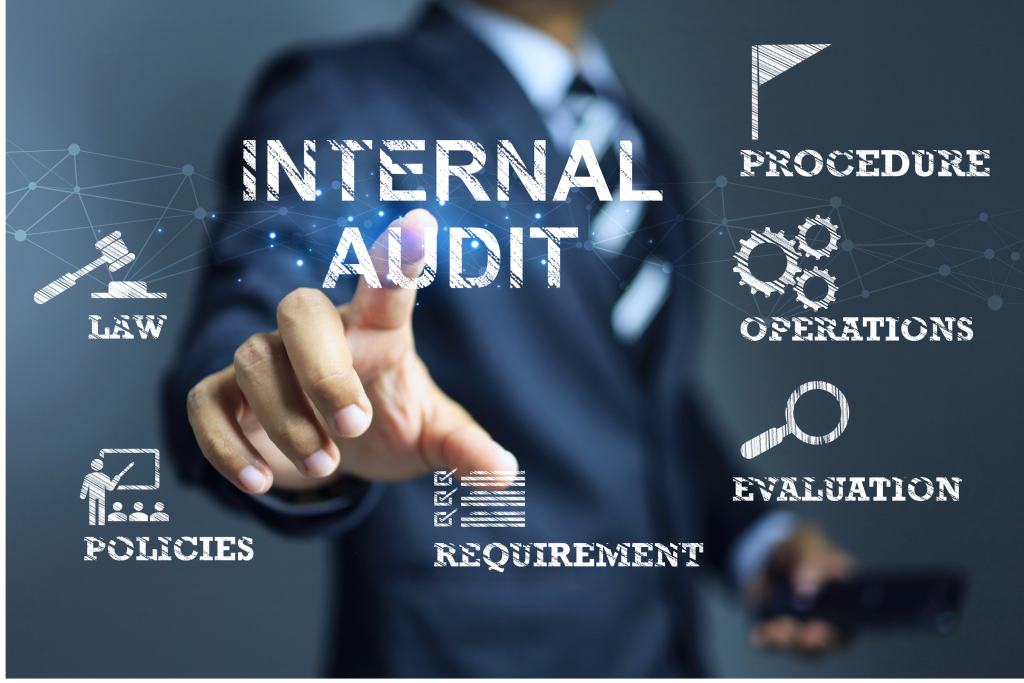
Think internal quality audits are just about ticking ISO compliance boxes? Think again. In reality, ISO 9001 internal audits are powerful tools that can transform both your strategy and day-to-day operations. These audits serve as an organisation’s self-check mechanism, ensuring not only that you meet the formal ISO 9001 requirements but also that your processes are efficient and continually improving. Forward-thinking executives and quality managers recognise that internal audits drive more than compliance they drive business excellence. In this article, we explore the strategic and operational value of ISO 9001 internal audits, and why aligning audits with ISO standards fuels continual improvement, readiness for external audits, and a culture of quality that starts at the top.
Key Benefits of ISO 9001 Internal Audits:
-
Strategic Insight and Risk Mitigation: Internal audits uncover gaps and risks in processes before they escalate, informing smarter business decisions.
-
Operational Efficiency: By checking if teams follow effective procedures, audits reveal inefficiencies and drive process improvements that boost productivity and quality.
-
Continual Improvement: Audits feed into the ISO 9001 “Plan-Do-Check-Act” cycle, identifying opportunities for continual improvement and innovation in your quality management system.
-
Certification Readiness: Regular internal audits act as a dress rehearsal for external ISO audits finding and fixing nonconformities in advance to ensure smooth certification and surveillance audits.
-
Enhanced Customer Satisfaction: By improving process consistency and product/service quality, audits help reduce defects and customer complaints, leading to higher customer satisfaction and confidence.
-
Culture of Accountability (Leadership-Driven): A proactive audit program, supported by leadership, builds a culture of accountability and excellence where every department engages in quality improvement.
Strategic and Operational Value of Internal Audits
Internal quality audits are more than a compliance requirement they are strategic instruments that link your quality initiatives to business objectives. ISO 9001 certification itself is not a one-time achievement but a continual commitment to quality and operational discipline. Regular internal audits provide management with a reality check on whether operations align with both the ISO standard and the organisation’s goals. For example, audits verify if documented procedures reflect actual practice and if those procedures remain effective as the business evolves. This alignment is crucial for strategic planning: leadership gains valuable insights into where to allocate resources or adjust strategies based on audit findings. In fact, internal audits have become a cornerstone of strategic decision-making, giving executives evidence-based assurance on what is working and what needs improvement.
Equally important is the operational value delivered by internal audits. Auditors often uncover process inefficiencies, bottlenecks, or outdated practices that hinder productivity. By identifying these gaps, audits help realign day-to-day operations with best practices and documented standards. The result is a leaner, more efficient operation. Moreover, internal audits promote risk-based thinking – a key principle of ISO 9001:2015. They shine a light on risks related to quality or compliance before they turn into costly problems. By catching potential failures early and prompting preventative actions, audits protect the organization from operational surprises. In summary, a well-executed internal audit program provides dual benefits: it safeguards strategic objectives by ensuring compliance and risk control, and it enhances operational performance by driving process improvements and consistency.
Aligning Audits with ISO 9001 Requirements and Continual Improvement
ISO 9001 isn’t just about having a quality manual on a shelf it’s about embedding a mindset of continual improvement in the organisation. Internal audits are a direct manifestation of that mindset. In fact, ISO 9001 explicitly requires organizations to conduct internal audits at planned intervals (Clause 9.2) to verify that the quality management system (QMS) meets both the standard’s requirements and the company’s own quality objectives. In other words, internal audits are how you “check” that your QMS is working as intended, forming the critical “Check” stage of the Plan-Do-Check-Act cycle. The ISO organisation itself emphasizes that checking your system through internal audits is vital it recommends regular internal audits to ensure the QMS is effective, even if you choose not to pursue external certification. By aligning your internal audit program with ISO’s guidelines (such as using the ISO 19011 auditing framework for best practices), your organization not only stays compliant but also reaps the full benefits that the ISO standards intend.
One of the greatest advantages of alignment with ISO standards is support for continual improvement. A common mistake is treating internal audits as a pass/fail inspection, whereas their real purpose is to spotlight opportunities for improvement. A well-run audit will not only identify nonconformities (areas where you’re not meeting requirements) but also highlight inefficiencies, redundancies, and improvement opportunities even when formal requirements are met. Each audit thus becomes a structured feedback loop into your QMS: management reviews the findings, prioritizes improvements, and implements changes feeding into the next cycle of planning and execution. This continuous audit-improvement cycle keeps the organisation agile and responsive. As a testament to this, quality experts note that internal audits should focus on asking “what could be better?” rather than merely “what is wrong?”, thereby actively driving enhancements in processes, products, and services. Over time, this approach yields a culture of continuous improvement where complacency is replaced with constant refinement. Remember that continual improvement lies at the heart of ISO 9001 internal audits are the engine propelling that improvement. By treating audits as opportunities to elevate your operations (instead of dreaded inspections), you ensure your ISO 9001 system remains a living, evolving catalyst for excellence.
Preparing for External Audits and Reducing Nonconformities
For organisations seeking ISO 9001 certification (or maintaining it), internal audits are nothing less than a dress rehearsal for success. ISO standards require that you conduct an internal audit before the certification audit, to ensure you’ve checked your own homework, so to speak. By performing an internal audit a few months prior to an external audit, companies can discover any weaknesses or nonconformities internally and address them in advance. In fact, an internal audit program acts as an early warning system: “internal audits serve as a means of readiness, enabling organisations to identify and rectify any nonconformities before the external audit takes place.”. This proactive approach means that when the external auditors arrive, there are no ugly surprises all major issues have been resolved, and your team is confident in the robustness of the QMS. The payoff is clear: smoother certification or surveillance audits, minimal findings, and continued ISO 9001 registration without hiccups.
Conversely, neglecting internal audits can be very costly. Organisations that treat internal audits as a paper exercise (or skip them altogether) often learn the hard way during external audits. A lack of effective internal auditing can lead to major non-conformities being discovered by certification bodies, which at best results in scramble for corrective actions and at worst could jeopardise your ISO 9001 certificate. Quality consultants caution that failing to conduct thorough internal audits is a recipe for unpleasant outcomes like suspension or loss of certification. By contrast, companies with rigorous internal audit routines usually impress external auditors they demonstrate control over their processes and an active improvement cycle, which builds trust. Moreover, internal audits don’t just prevent embarrassment in front of external auditors; they also reduce chronic issues within operations. Each nonconformity or process deviation you catch internally is one less problem that could later affect product quality or customer satisfaction. Over time, the organisation sees a reduction in recurring issues and firefighting. In summary, internal audits are your best preparation for external audits and an insurance policy against nonconformities they ensure you walk into external audits with confidence, knowing that your house is already in order.
Driving Efficiency and Customer Satisfaction through Auditing
Beyond compliance and certification, internal audits deliver tangible operational benefits that directly impact the bottom line and customer happiness. By examining processes in detail, internal auditors often find ways to streamline workflows eliminating unnecessary steps, reducing waste, or automating tasks. Audits essentially ask: “Are we doing this in the best possible way?” If not, corrective and preventive actions can be taken to refine the process. The effect of these incremental improvements can be dramatic over time: increased productivity, lower error rates, and faster delivery of products and services. As one ISO 9001 guide puts it, internal audits provide a “structured feedback loop for refining processes, improving customer satisfaction, and increasing efficiency.”. In practical terms, this might mean discovering a calibration process that could be done more efficiently, a reporting step that can be digitized, or a quality check that needs better training. Each finding is an opportunity to optimise performance and remove friction from operations.
It’s no coincidence that organizations with robust internal audit programs often report higher customer satisfaction. When processes are consistent and efficient, the quality of output becomes more reliable. Fewer defects and delays translate to happier customers and fewer complaints. ISO 9001’s very purpose is to help organizations consistently meet customer requirements and enhance satisfaction internal audits are the mechanism to ensure this happens. For example, if an internal audit finds that a production process occasionally drifts out of spec, the company can fix it before defective products reach a client. Similarly, auditing the customer feedback process might reveal insights that lead to quicker complaint resolution or product improvements. By proactively addressing such issues internally, companies can “improve customer satisfaction by ensuring processes deliver on expectations”. Moreover, efficient and quality-driven operations often lower the cost of poor quality (less rework, scrap, or warranty claims), which can be reallocated to value-adding activities or passed on as cost savings to customers. In essence, internal audits help create a virtuous cycle: efficient processes lead to better quality, which leads to satisfied customers, which in turn benefits the business through repeat sales and strong reputation. It’s a cycle that every executive aims for, and internal audits help keep it turning.
Fostering a Proactive Audit Culture and Leadership Involvement
To truly reap all these benefits, organisations need to foster a proactive audit culture one in which audits are embraced as a positive force rather than dreaded as a necessary evil. It starts with the tone at the top. Leadership should actively encourage audits and demonstrate commitment by being involved in the audit process. A simple but effective practice is for top management to participate in audit review meetings: for instance, holding a closing meeting after each internal audit that includes executives, department heads, and key staff to discuss findings and improvement plans. This sends a clear message that management cares about the audit results and is ready to support necessary changes. When employees see leaders walking the talk on quality, they are far more likely to engage openly in audits rather than hide problems. Leaders can further empower a positive audit culture by ensuring that audits are well-resourced (e.g. providing training for internal auditors, time for process owners to support audits, and budget for improvements). One of the ISO 9001 leadership principles is taking accountability for the QMS’s effectiveness by championing internal audits, executives fulfill this principle and bring the quality management system closer to the core of business decisions.
A proactive audit culture also means shifting the mindset around audits from fault-finding to opportunity-finding. Auditees (the staff being audited) should be encouraged to speak candidly about issues without fear of blame. Management must cultivate an environment of trust where the goal is learning, not punishment. As one best-practice guide notes, “encourage constructive engagement. Avoid a punitive tone. The goal is learning, not blame.”. This perspective transforms internal audits into collaborative problem-solving exercises. Departments might even look forward to audits as a chance to showcase improvements or get fresh ideas for enhancement. It’s helpful to celebrate successes identified by audits (for example, a department with no major findings or innovative improvements) and to treat findings as shared lessons rather than individual failures. Over time, this nurtures an audit-positive culture where continuous improvement is everyone’s responsibility. Each employee understands that quality audits help them do their jobs better and make the company more successful.
Finally, leadership involvement is the linchpin of sustaining this culture. Executives should regularly review audit program outcomes as part of management meetings, integrating audit insights into strategy and decision-making. When leaders take audit results seriously allocating resources to address systemic issues, recognising teams that improve, and aligning audit findings with business objectives it reinforces the importance of audits throughout the organisation. In medium and large companies, consider establishing a cross-functional audit team or committee that includes representatives from various departments and a sponsor from top management. This ensures diverse perspectives in audits and that findings are viewed through a wider business lens. A culture of proactive internal auditing, backed by engaged leadership, leads to an organization that is not only ISO 9001 compliant but truly quality-driven. Such organizations don’t wait for external auditors or customer complaints to drive improvement; they are continuously self-improving, which is the ultimate goal of ISO 9001.
ISO 9001 internal audits are far more than a formality they are a strategic asset to any quality-driven organisation. When conducted in alignment with ISO standards and embraced with a spirit of continuous improvement, internal audits become a catalyst for operational excellence and risk management. They ensure you maintain compliance with the ISO 9001 requirements and are always ready for the next external audit or certification review. But beyond that, they unlock opportunities: from streamlining processes and reducing nonconformities to boosting customer satisfaction and informed decision-making, the advantages are wide-ranging. A company with a robust internal audit program can confidently say that it knows itself its strengths, its weaknesses, and how to improve continually.
The key is to treat internal audits not as a one-off checkbox but as an ongoing journey. “Continuous improvement lies at the heart of ISO 9001,” as one expert reminds us, and internal audits should be viewed as recurring opportunities to enhance your company’s operations. For quality managers and executives, this means championing a proactive audit culture and leading by example in responding to audit insights. When leadership shows that it values the audit process, that attitude permeates the whole organisation, creating an environment where excellence is the norm. In the long run, conducting ISO 9001 internal audits diligently and proactively is an investment in your organisation’s success an investment that yields compliance stability, operational efficiency, happier customers, and empowered teams. It’s time to leverage internal quality audits as the strategic tool they are, and in doing so, secure a path of continual improvement and sustained business success.